Jasenovac Memorial
Jasenovac Memorial Museum
The Jasenovac Memorial Museum stands as a poignant reminder of the atrocities committed during the Holocaust, dedicated to the memory of the victims of the Jasenovac concentration camp. Established near the former Ustasha Camp III Brickyard Jasenovac, the museum was inaugurated on July 4, 1968, and remains a vital educational and memorial site.
About the Museum
The museum aims to highlight individual stories amidst the horrific backdrop of mass crimes, fostering empathy and critical reflection on violence and crime. It showcases a variety of materials related to the Jasenovac camp and its detainees, immersing visitors in the historical context of this dark chapter in history.
Exhibitions
The Jasenovac Memorial Museum is home to a series of permanent exhibitions that have evolved since its inception. The first exhibition was curated in 1968, and notable subsequent exhibitions include:
- First Permanent Museum Exhibition (1968)
- Second Permanent Museum Exhibition (1988)
- Third Permanent Museum Exhibition (2006)
Each exhibition aims to educate visitors about the histories of individuals affected by the camp and the broader implications of their experiences during that time.
Memorial and Educational Initiatives
The museum incorporates various educational programs, including The Crocus Project, which emphasizes international cooperation and the importance of remembering history. Various publications are available for those wishing to dive deeper into the historical impact of the Jasenovac concentration camp, including a comprehensive list of individual victims.
Visiting Information
The Jasenovac Memorial Museum is open from March 1st to November 30th, Monday to Sunday, from 9 AM to 5 PM, with the exception of public holidays. Visitors seeking to access the museum can follow the set directions to ensure a meaningful experience.
Art and Memorials
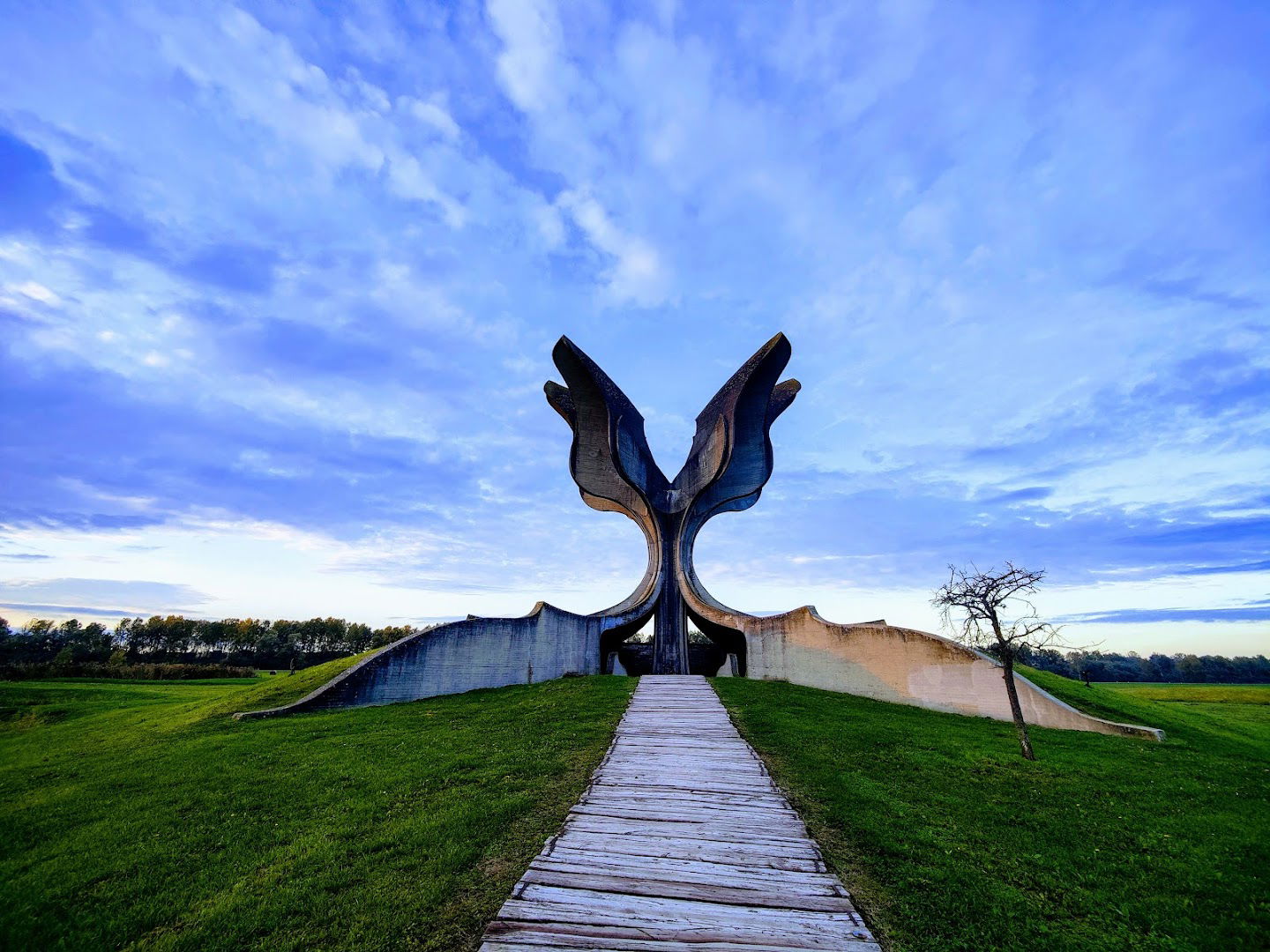
On-site, visitors will find the Flower Monument dedicated to the victims of fascism, alongside various other memorials and reliefs created by esteemed artists, such as Dušan Džamonja. These memorials serve not only as a tribute to the past but also as a call to remember and learn.
Conclusion
The Jasenovac Memorial Museum is not just a place of remembrance; it is an essential resource for understanding the implications of hatred and violence. By preserving these histories, the museum plays a crucial role in fostering a future built on empathy and understanding.
- ponedeljek Odprto 24 ur
- torek Odprto 24 ur
- sreda Odprto 24 ur
- četrtek Odprto 24 ur
- Petek Odprto 24 ur
- sobota Odprto 24 ur
- nedelja Odprto 24 ur
 Google
Duży obszar z miejscami historycznymi gdzie ludzie zabijali ludzi (((...
Google
Google
Google
An absolute must if your in croatia
Google
Google
Google
Google
Google
Google
Podobne storitve