Lidija L. P.
 Google
Preveri vsa mnenja, ocene, odpiralne čase ter kontaktne podatke za Bather sculpture, NP Brijuni, turistička atrakcija v mestu pula.
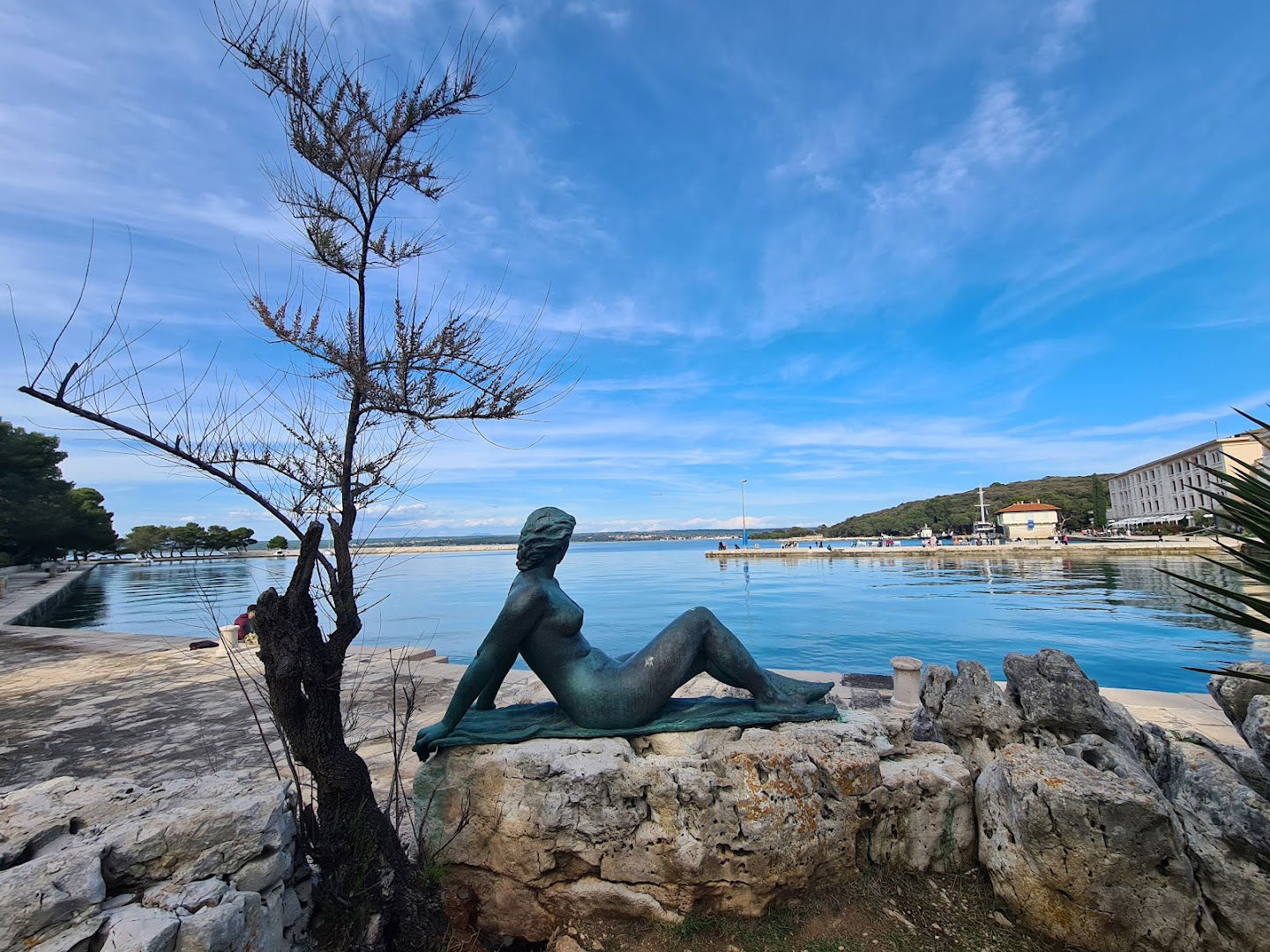
The Brijuni National Park, a stunning archipelago off the coast of Croatia, is not only renowned for its natural beauty but also for its exceptional collection of sculptures seamlessly integrated into the landscape. These artworks represent a blend of various historical and stylistic periods from the past century, enriching the park's cultural heritage and inviting visitors into a world where art and nature coexist harmoniously.
The sculptures date back to the early 20th century during the ownership of Paul Kupelwieser, who transformed the islands into a blooming oasis. Notable pieces include "Labour" and "Caritas" by Caspar Clemens Zumbusch, which symbolize hard work and selfless love. These pieces serve as poignant reminders of the history of the islands and the transformation of the landscape.
| Sculpture Name | Artist | Year | Description |
|---|---|---|---|
| Leda | Unknown | Early 20th century | A scene from Greek mythology representing Leda and the Swan. |
| Bather | Boris Kalin | 1954 | A bronze sculpture representing a female figure sunbathing. |
| Woman with a Bucket | Frano Kršinić | 1956 | A representation of a woman pouring water, symbolizing the island's water project. |
| Peace Dove | Dušan Džamonja | 1983 | Symbolizes peace and freedom in memory of President Tito. |
Aside from its artistic allure, Brijuni also boasts a significant geological and paleontological heritage, highlighted by a dinosaur sculpture installation that showcases the region's ancient history. This sculpture serves as a tangible link to the past, making the park not just a retreat, but a place of learning and exploration.
Visitors to the Brijuni National Park can immerse themselves in this unique blend of art and nature, allowing them to reflect on the history and cultural significance that these sculptures embody.
Google
Google
Google
Google
Google