Japanese Fountain
Јапанска чесма
Preveri vsa mnenja, ocene, odpiralne čase ter kontaktne podatke za Japanese Fountain,
povijesna znamenitost
v
mestu belgrade.
Djeca
- Dobro za djecu: Da
- ponedjeljak Otvoreno 24 sata
- utorak Otvoreno 24 sata
- srijeda Otvoreno 24 sata
- četvrtak Otvoreno 24 sata
- petak Otvoreno 24 sata
- subota Otvoreno 24 sata
- nedjelja Otvoreno 24 sata
 Google
Google
Google
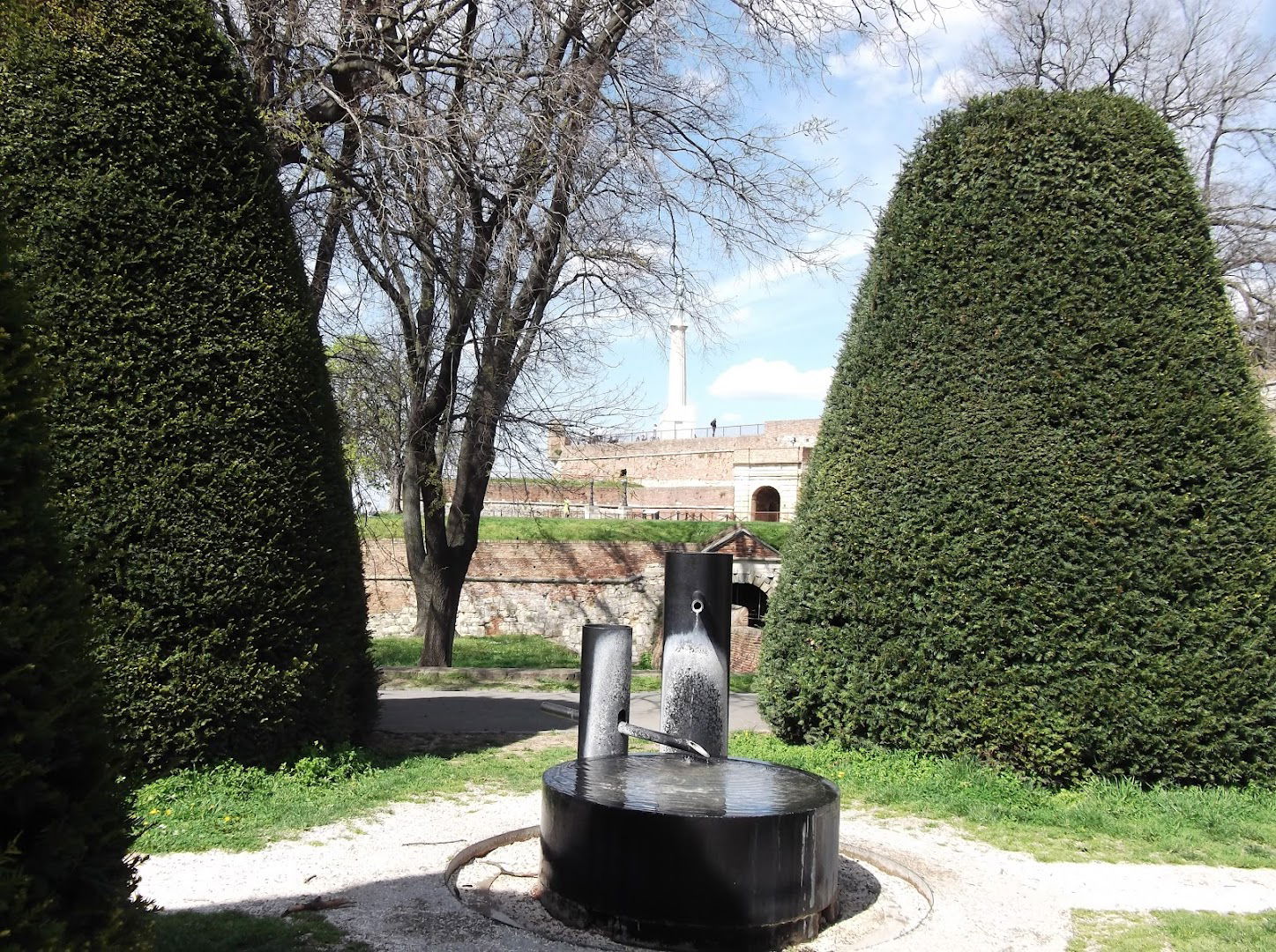
The Japanese Fountain, a symbolic sculpture celebrating the enduring friendship between Serbia and Japan, embodies the shared values of artistry and unity. Drawing inspiration from traditional Japanese aesthetics, like the serene stone basins of Shinto shrines , and Serbian craftsmanship, this hypothetical fountain might blend flowing water with rugged stone, mirroring the resilience and harmony of the two nations’ 140-year diplomatic relationship . The fusion of elements—perhaps cherry blossoms (symbolizing hanami, a cherished Japanese tradition) intertwined with motifs from Serbian folklore—echoes initiatives like the Hanami Association’s efforts to bridge cultures through art, language, and shared rituals . The gentle cascade of water could evoke the mutual respect nurtured through events like the Serbian-Japanese piano festivals or collaborative art projects, where imperfection and creativity are celebrated as part of the Enso circle philosophy . It stands as a metaphor for the fluid yet unbreakable ties between peoples—where water, like friendship, adapts and endures, shaped by the stones of history and shared dreams.
Podobne storitve