Park Majke Partizanke
Парк Мајке Партизанке
Spomenik Database
The Spomenik Database offers a unique exploration into the monumental history of Yugoslavia, specifically focusing on abstract anti-fascist monuments built between 1960 and 1990. These structures, known as Spomeniks, are significant historical artifacts that emerged during a transformative period in the Socialist Federal Republic of Yugoslavia, and many remain scattered across today’s Croatia, Slovenia, North Macedonia, Serbia, Kosovo, Bosnia and Herzegovina, and Montenegro.
About the Project
Launched in 2016 by writer and travel enthusiast Donald Niebyl, the Spomenik Database is an independent and self-funded initiative. It serves as a comprehensive online resource, dedicated to documenting the most notable Spomeniks, many of which have faced neglect and deterioration in recent years. The project aims to educate the public about these unique monuments and their historical context, allowing visitors to understand their significance and legacy.
What Are Spomeniks?
Spomeniks are modernist monuments that were built to commemorate the victims of World War II and promote anti-fascism. Characterized by their intricate and bizarre shapes, these structures are often misunderstood, making the database a valuable tool for both casual learners and serious researchers. The resource includes an extensive directory of Spomeniks, providing visitors with essential information for planning their own explorations.
Key Features
- Interactive Map: Navigate through various Spomeniks across former Yugoslav territories.
- Designer Directory: Learn about the architects and designers behind these significant structures.
- Travel Tips: Find essential advice for visiting the Spomeniks.
- Photo Directory: Explore a collection of images showcasing these monuments in their diverse settings.
The Importance of the Database
The ongoing mission of the Spomenik Database is to provide an open, advertisement-free educational resource that fosters greater understanding of these historic artworks. Users are encouraged to tag their own Spomenik photos using #SpomenikDatabase on social media, contributing to a growing community of enthusiasts and researchers.
As the database continues to expand and evolve, it remains committed to preserving the legacy of the Spomeniks, while inspiring fellow adventurers to embark on their own journeys to discover these incredible monuments.
Contribute and Engage
The Spomenik Database welcomes contributions and insights from those interested in this fascinating aspect of history. It aims to connect like-minded individuals and promote a deeper appreciation of Yugoslavia's rich cultural heritage.
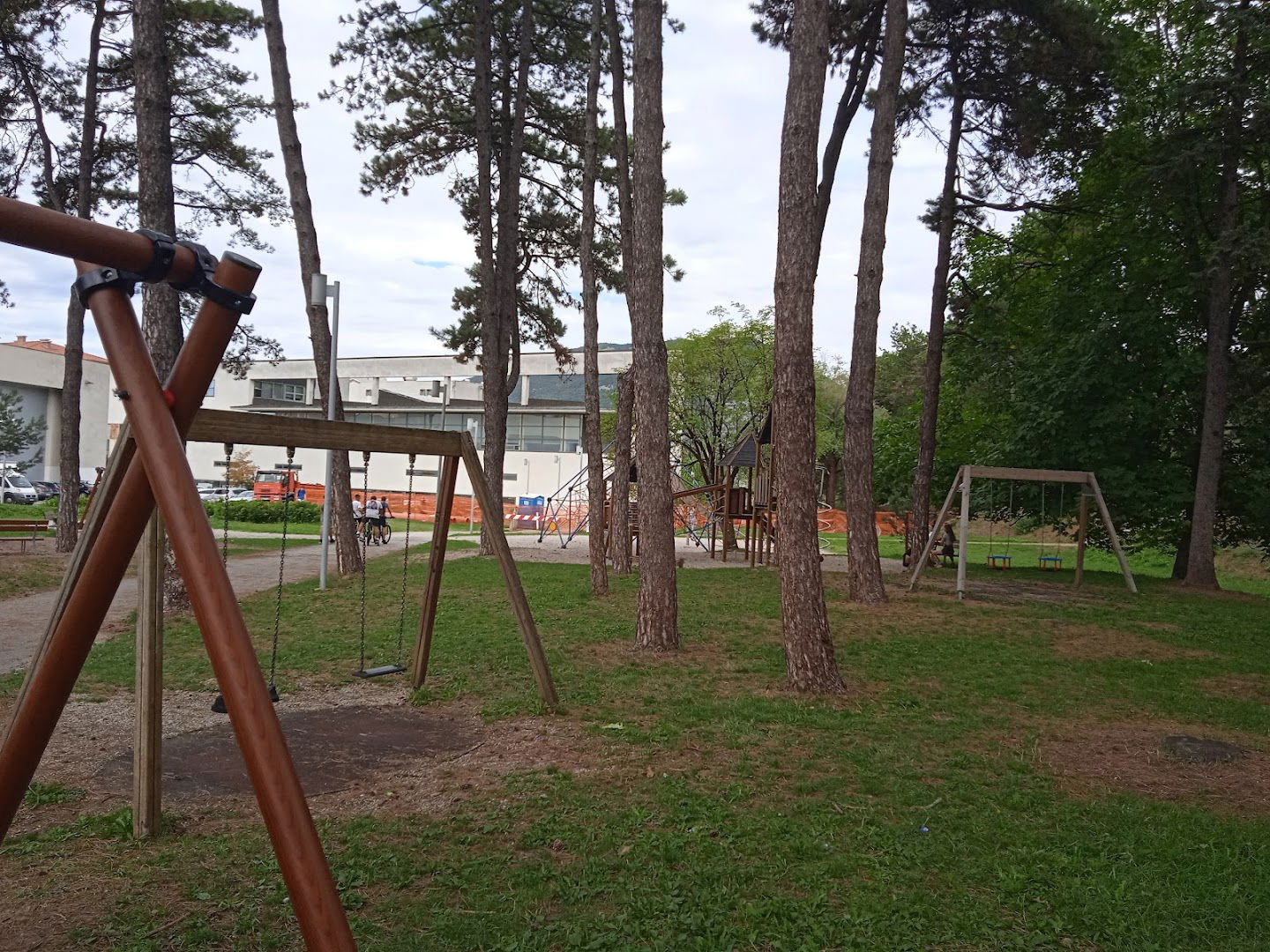
- Dobro za decu: Da
 Google
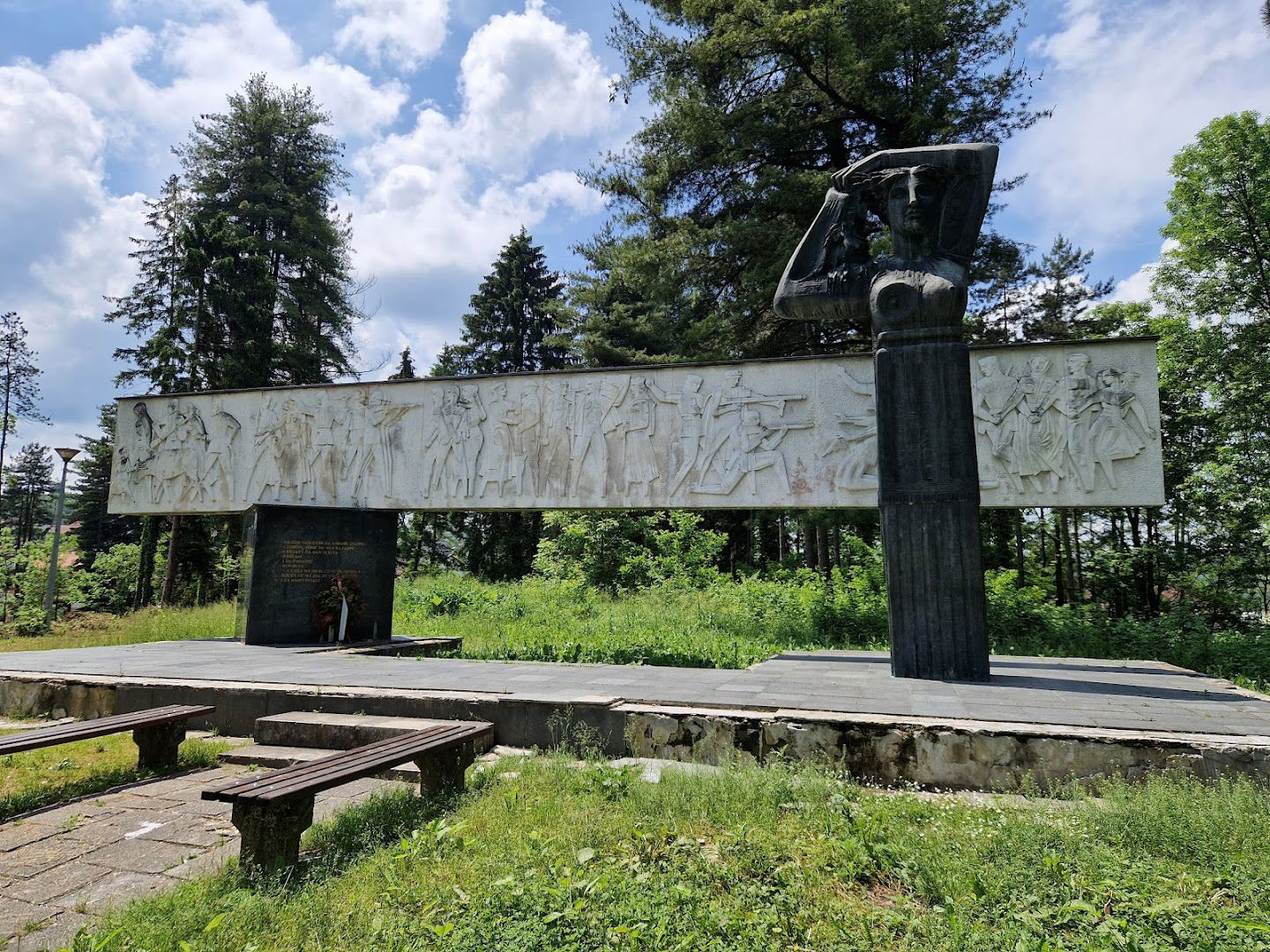
Monument to mothers who lost their sons and daughters on the fields of partisan guerilla against nazis in WWII. Beautiful and important place, though it can appear a bit abandoned. On the same hill placed an old Islamic cemetery. If you have any free time in this city - this place is worth a visit.
Podobne storitve