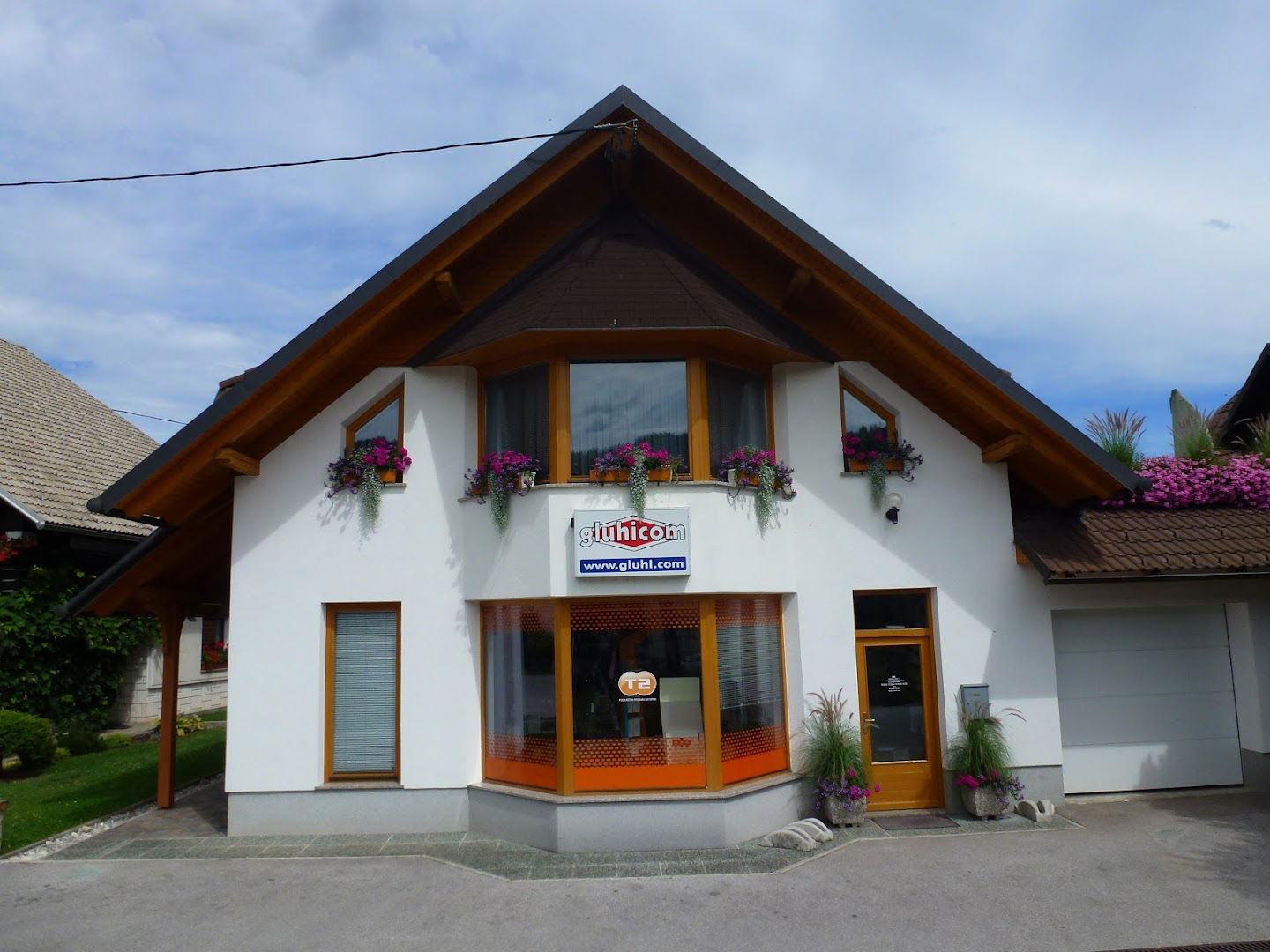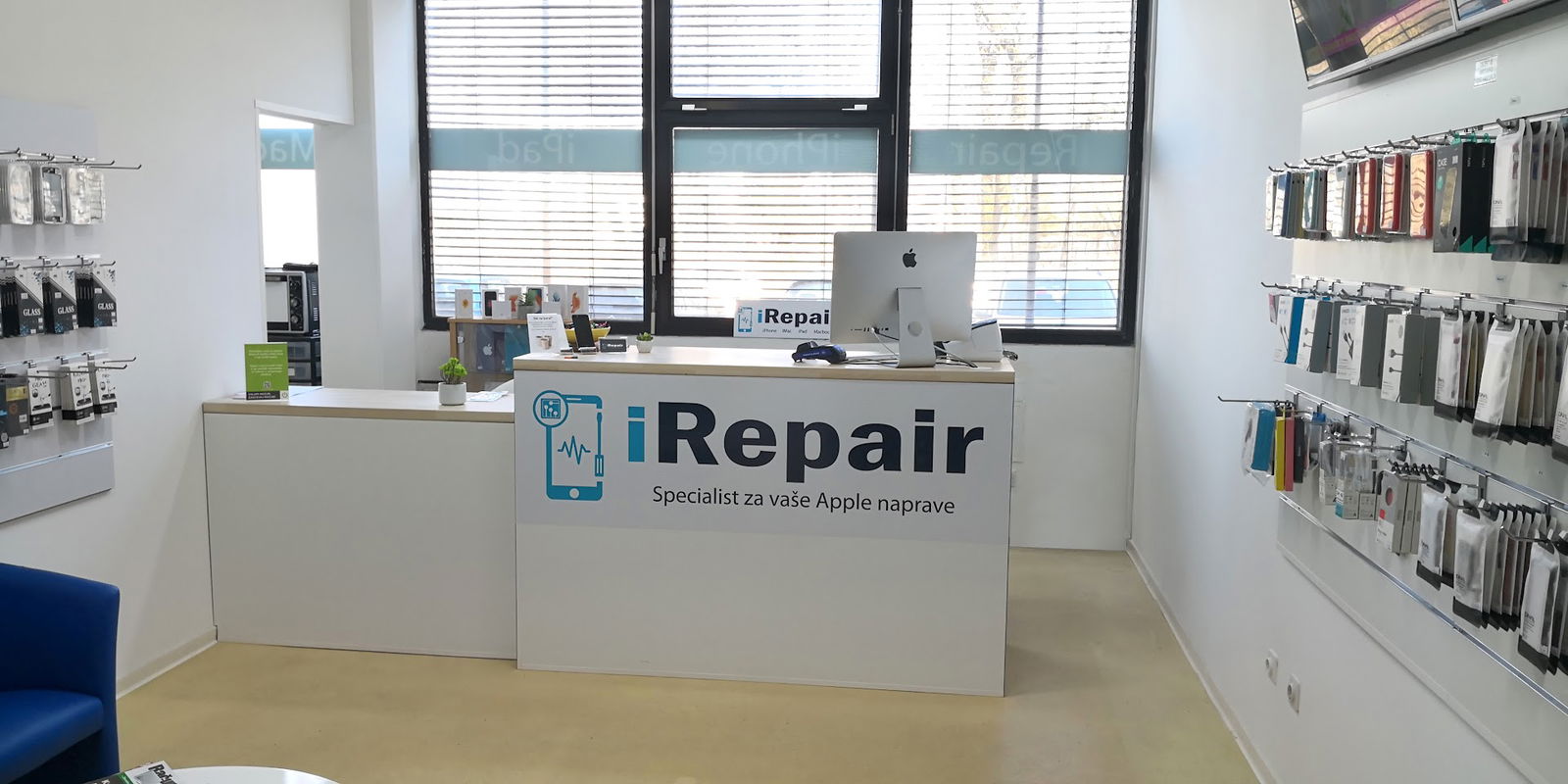
Usluga popravljanja računala
Itmplus.Net - Računalniške rešitve in svetovanje, Mario Deronja s.p.
ITMplus.net - Mario Deronja s.p.
Preveri vsa mnenja, ocene, odpiralne čase ter kontaktne podatke za Itmplus.Net - Računalniške rešitve in svetovanje, Mario Deronja s.p., usluga popravljanja računala v mestu Žiri.
Apache2 Ubuntu Default Page Overview
The Apache2 Ubuntu Default Page serves as the introductory display intended to verify the reliable functioning of the Apache2 HTTP server following installation on systems running Ubuntu. This page is fundamentally derived from a similar page on Debian, which forms the basis of the Ubuntu Apache packaging.
Understanding the Default Page
If you are able to view this page, it indicates that the Apache HTTP server installed at this site is operating correctly. However, to proceed with using your HTTP server, it is recommended that you replace this default welcome page file, located in /var/www/html/index.html.
If you are a visitor to this website and are unclear about this page's context, it may suggest that the site is currently down for maintenance. In case this issue continues, reaching out to the website's administrator for assistance is advised.
Configuration Overview
Ubuntu's default Apache2 configuration differs from that of its upstream default, encompassing multiple files tailored for seamless interaction with Ubuntu's management tools. Comprehensive documentation on this configuration can be located in /usr/share/doc/apache2/README.Debian.gz. The main configuration layout of the Apache2 web server on Ubuntu can be summarized as follows:
| Configuration File | Description |
|---|---|
| apache2.conf | The main configuration file that integrates all other configuration files. |
| ports.conf | Determines listening ports for incoming connections. |
| mods-enabled/ | Contains snippets for managing modules. |
| conf-enabled/ | Holds global configuration fragments. |
| sites-enabled/ | Includes virtual host configurations. |
Document Roots and Access Control
By default, Ubuntu restricts web browser access to files solely within /var/www, public_html (if enabled), and /usr/share (for web applications). Websites utilizing a document root outside of these directories may need to explicitly grant access within /etc/apache2/apache2.conf. The standard document root for Ubuntu is /var/www/html.
Reporting Issues
When encountering bugs within the Apache2 package on Ubuntu, users are encouraged to utilize the ubuntu-bug tool, ensuring to check existing reports before submitting new ones. For bugs related to specific modules, such as PHP, issues should be reported to the relevant packages, rather than to the web server itself.
Pristupačnost
- Parkiralište pristupačno za invalidska kolica: Da
- ponedjeljak 17 do 19 sati
- utorak 17 do 19 sati
- srijeda 17 do 19 sati
- četvrtak 17 do 19 sati
- petak 17 do 19 sati
- subota Zatvoreno
- nedjelja Zatvoreno
Podobne storitve