neznan
 Google
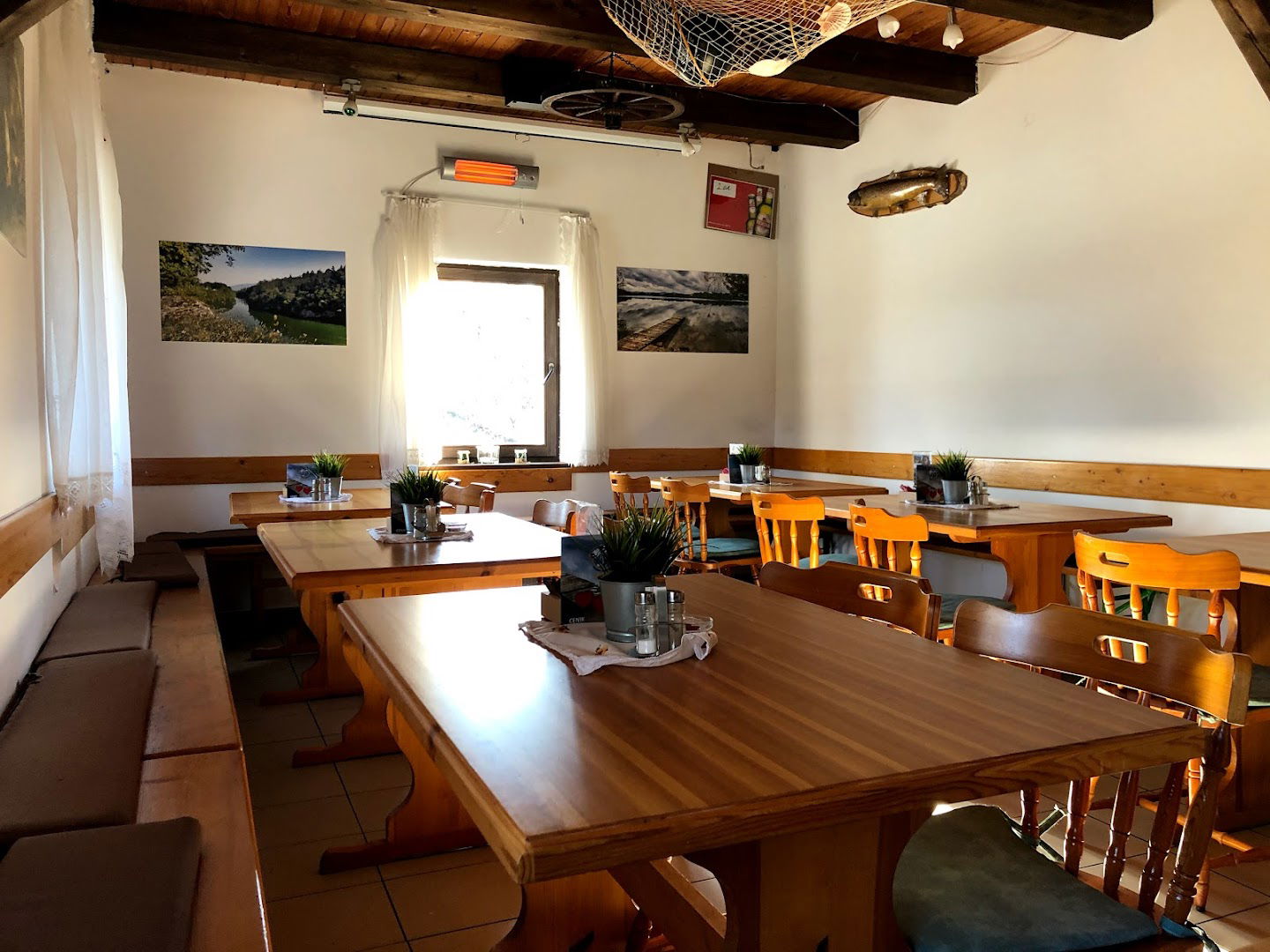
Preveri vsa mnenja, ocene, odpiralne čase ter kontaktne podatke za Koca - Brunarica, Breg Ob Savi, restoran v mestu mavčiče.
The current humanitarian landscape is marked by significant crises and challenges that require urgent attention and action. On September 5th, a humanitarian expert discussed the ongoing crisis in Syria, highlighting key moments and calls for a reboot of humanitarian efforts not only in Syria but globally.
A Norwegian official shared critical insights regarding the situation in Syria, urging for a Humanitarian Reset that could lead to more effective assistance for those affected. The conversation points to an urgent need for reevaluation of strategies to tackle the multifaceted problems arising from prolonged conflicts.
In a significant development, France is facing legal action for its perceived failure to intervene effectively to prevent mass killings in Gaza, further emphasizing the complexities of international involvement in humanitarian crises. Meanwhile, Bangladesh emerges as a potential player in reshaping international relations, showcasing its tactical opportunities.
The entertainment sector is not exempt from scrutiny, as dramatist Vatiswa has openly accused the industry of boycotting her, raising questions about representation and support for diverse voices within the arts.
On the technological front, former President Trump recently engaged tech leaders during an official dinner at the White House, highlighting the importance of innovation in contributing to various sectors, including humanitarian responses.
Reports from Egypt emphasize the necessity of ensuring a safe water supply, which is critical for both local populations and collaborative international partnerships. Additionally, the tragic tram crash in the capital of Portugal that resulted in 17 casualties serves as a reminder of the global issues that often go unnoticed amidst other headlines.
UNICEF has voiced grave concerns over the dire conditions in Gaza, urging the international community to act. Furthermore, the Haitian team is aiming for a historic position in the World Cup, representing a hopeful narrative amidst adversity and illustrating the potential of diaspora involvement.
These interconnected challenges underline the importance of humanitarian initiatives across various countries. Collaborations and re-evaluations of global strategies may hold the key to impactful humanitarian relief and international cooperation.
Google
Google
Google
Google
Google
Google
Google
Google
Google
Google
Google
Google
Google
Google
Google
Google
Google
Google
Google
Google
Google
Google
Google
Google
Google