Proizvođač
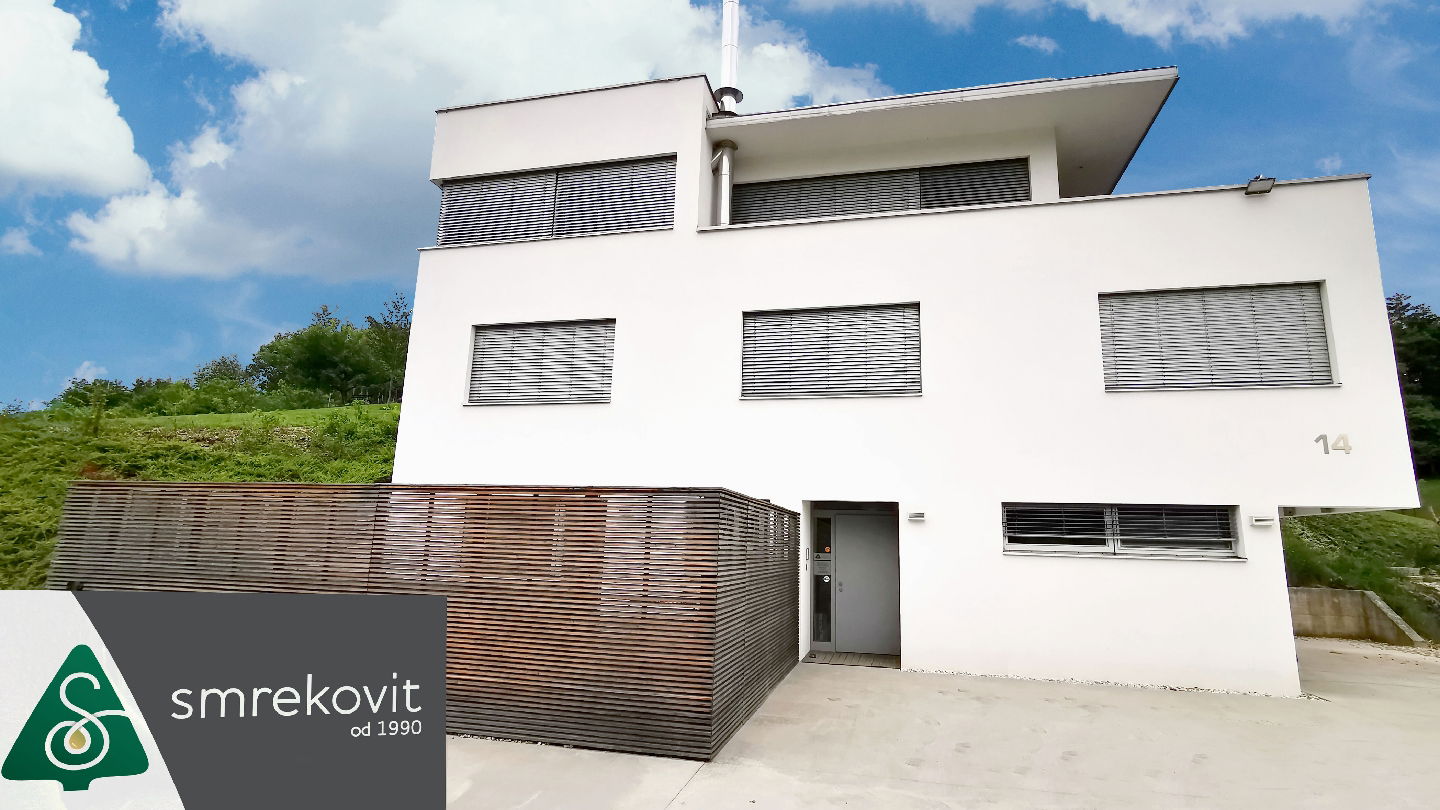
Tvornica octa Virovitica
Preveri vsa mnenja, ocene, odpiralne čase ter kontaktne podatke za Tvornica octa Virovitica, proizvođač v mestu virovitica.

Service Summary: Browser Verification
Browser verification is a vital service designed to enhance internet security by ensuring that users accessing a website are legitimate and not automated programs or bots. This service acts as a safeguard against potential threats that can compromise privacy and data integrity.
What Is Browser Verification?
Browser verification refers to the process of validating that the incoming requests to a website are from genuine users utilizing standard web browsers. The system assesses the behavior and characteristics of the request, filtering out suspicious or automated interactions.
Why Is It Important?
This verification plays a crucial role in protecting sensitive information, preventing fraudulent activities, and maintaining the overall performance of a website. It helps to ensure that only real users can access services, thus enhancing trust and security in online transactions.
How It Works
The service operates by analyzing various parameters of the user's browser and device, such as:
- HTTP headers
- Cookie presence and behavior
- JavaScript execution capabilities
- Behavioral patterns of navigation
After the initial assessment, the system determines whether to grant access or prompt the user to verify their identity further. This may involve CAPTCHAs or other validation methods.
End-User Experience
While users may encounter a brief waiting period during the verification process, this is a small trade-off for enhanced security. Users are commonly presented with a simple message stating, "Please wait, your browser is being verified..." This prompts users to remain patient, knowing that their safety is being prioritized.
Conclusion
In summary, browser verification is an essential service for any website looking to provide a safe and trustworthy online environment. Through the use of advanced techniques to validate incoming traffic, organizations can effectively protect their resources and their users from malicious threats. The simplicity of the user's experience combined with robust security measures makes this service indispensable in today’s digital landscape.
Pristupačnost
- Parkiralište pristupačno za invalidska kolica: Da
- ponedjeljak 7 do 15 sati
- utorak 7 do 15 sati
- srijeda 7 do 15 sati
- četvrtak 7 do 15 sati
- petak 7 do 15 sati
- subota Zatvoreno
- nedjelja Zatvoreno
Podobne storitve