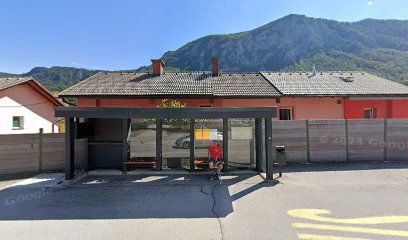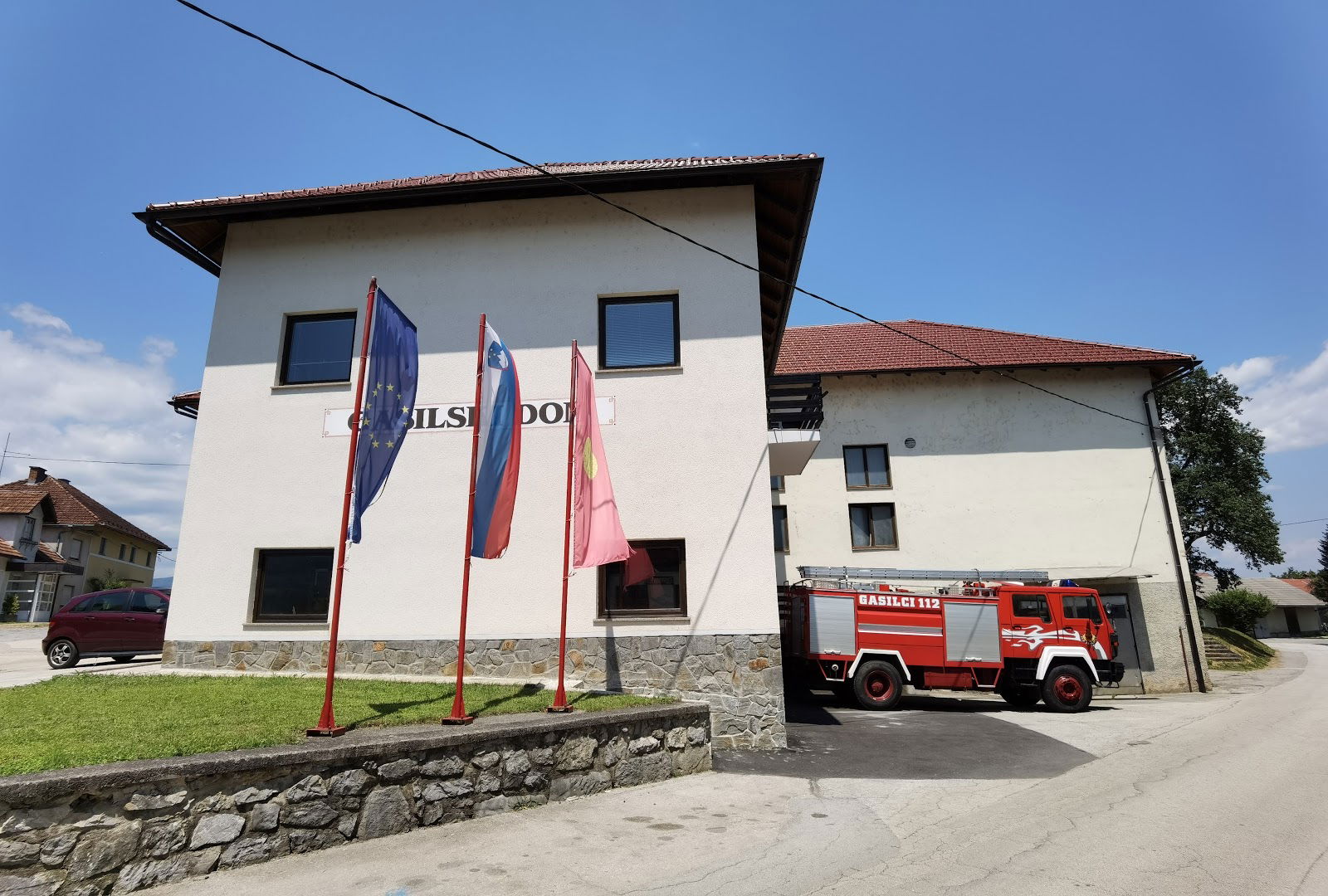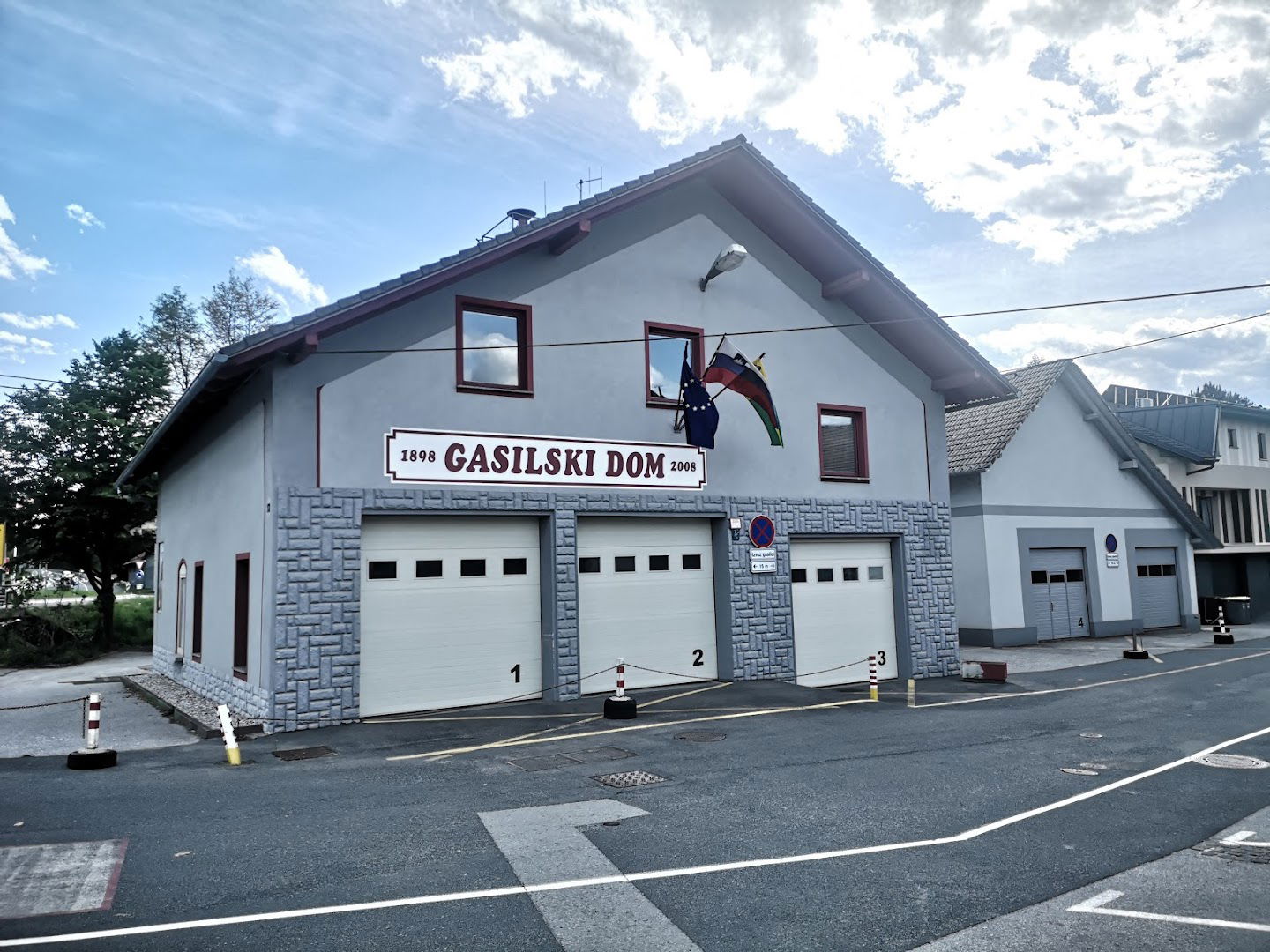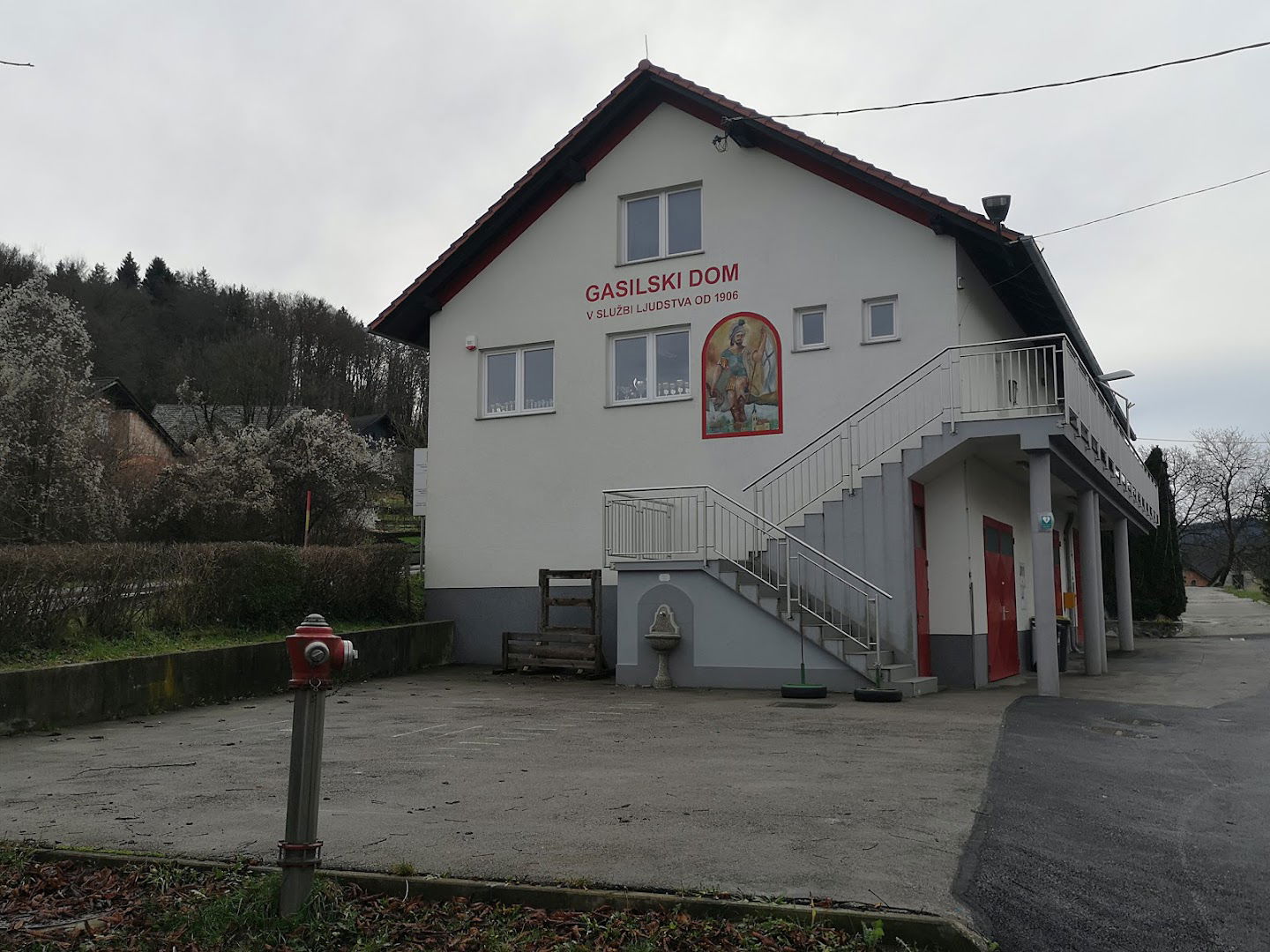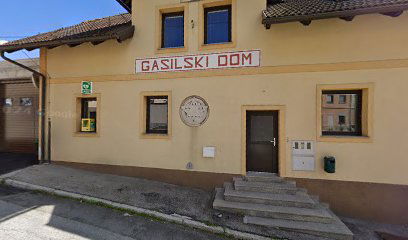
Prostovoljno gasilsko društvo Hrušica
Apache2 on Ubuntu: Service Overview
The Apache2 Ubuntu Default Page serves as the initial welcome page that indicates the successful installation and operation of the Apache HTTP server on Ubuntu systems. If you see this page, it signifies that the Apache server is functioning properly and is ready for configuration.
Purpose of the Default Page
This default page is a standard feature aimed at testing server setup. It is derived from a similar page used in Debian, which forms the basis for Ubuntu’s Apache packaging. If you’re a user encountering this page, it may reflect that the site is undergoing maintenance or is otherwise unavailable.
Configuration Overview
The default configuration of Apache2 on Ubuntu diverges from its upstream equivalent, featuring a structure optimized for integration with Ubuntu’s tools. The configuration details are outlined in the /usr/share/doc/apache2/README.Debian.gz document, which serves as a comprehensive user guide.
Configuration Files Structure
| Directory | Description |
|---|---|
| /etc/apache2/ | Main configuration directory containing apache2.conf and ports.conf files. |
| mods-enabled | Contains loaded module configurations. |
| conf-enabled | Holds global configuration fragments. |
| sites-enabled | Contains configurations for enabled virtual hosts. |
Document Roots
On Ubuntu systems, web access is typically restricted to files within /var/www, public_html (if enabled), and /usr/share for web applications. The default document root for web files is /var/www/html. To serve documents from alternative directories (e.g., /srv), users may need to adjust permissions in the /etc/apache2/apache2.conf file, fostering improved security.
Reporting Issues
For any problems encountered with the Apache2 package on Ubuntu, users are encouraged to utilize the ubuntu-bug tool to report specific issues. It's advisable to review existing bug reports before submitting new ones. Any bugs related to specialized modules, such as PHP, should be reported to their respective packages instead of the main web server.
- Parkiralište pristupačno za invalidska kolica: Da
 Google
Google
Google
Podobne storitve